



Long-Term Residential Assisted Living: A Comprehensive Guide for Seniors
Choosing the right care for aging loved ones is a significant decision for families. Long-term residential assisted living provides a supportive environment that prioritizes safety, comfort, and independence for seniors. It is designed to meet the physical, emotional, and social needs of older adults who may require daily living assistance for seniors but do not need full-time medical care.
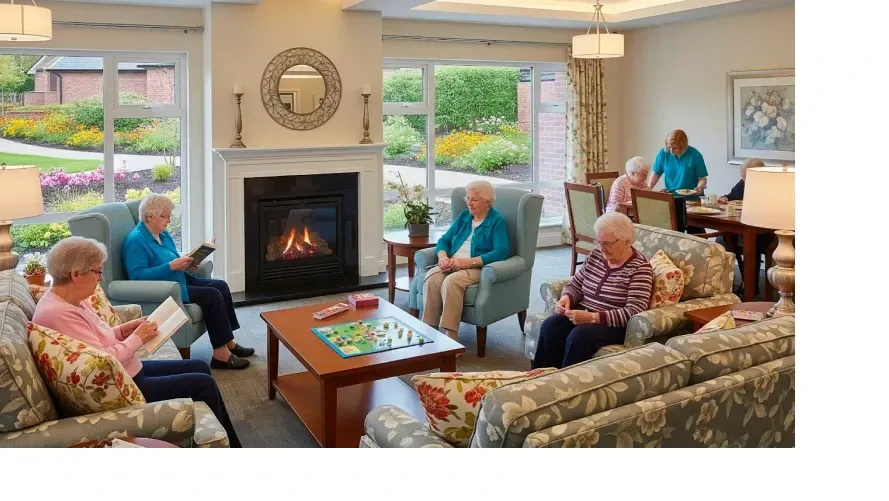
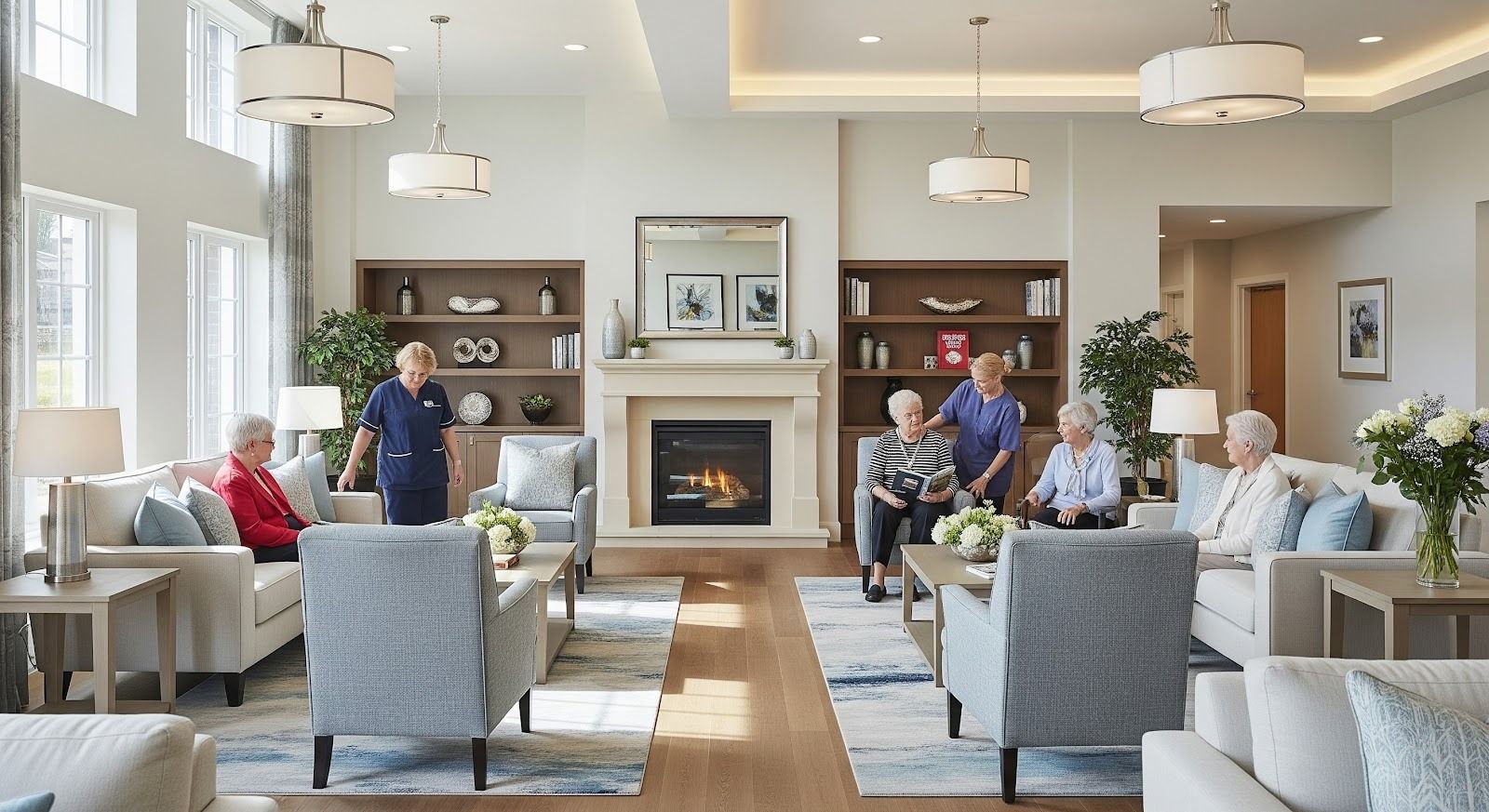
Residential senior care facilities offer a balance between independence and support. These communities focus on enhancing the quality of life for residents by providing professional care, personalized attention, and opportunities for social engagement. Long-term assisted living care allows seniors to enjoy their golden years in a secure and engaging environment.
What Is Long-Term Residential Assisted Living?
Long-term residential assisted living refers to senior living residences that provide ongoing support for individuals who need help with daily activities while maintaining as much independence as possible. These communities are ideal for seniors who cannot live alone safely due to mobility limitations, chronic conditions, or memory concerns.
In a long-term care community, residents receive personalized assistance, structured routines, and access to services that ensure their physical and emotional needs are met. The focus is on providing comprehensive residential assisted living services that enhance overall well-being.
What Services Are Included in Long-Term Assisted Living?
Choosing a long-term residential assisted living facility means access to a variety of services designed to support seniors in everyday life. These services are tailored to meet individual needs and ensure residents maintain dignity and independence.
Personal Care Support
Personal care support includes help with bathing, dressing, grooming, and mobility. Seniors can rely on trained staff to assist with daily living assistance for seniors while promoting independence wherever possible.
Medication Management
Medication management is a critical component of long-term assisted living care. Staff members ensure prescriptions are administered correctly and on schedule, reducing the risk of missed doses or errors.
Meals & Nutrition
Residents enjoy nutritious meals prepared to meet their dietary needs. Many assisted living for seniors communities provide flexible meal options, accommodating specific health requirements or personal preferences.
Social & Recreational Activities
Social and recreational activities encourage engagement and foster a sense of community. Programs may include exercise classes, arts and crafts, book clubs, and group outings to keep residents active and socially connected.
Housekeeping & Laundry
Regular housekeeping and laundry services ensure a clean and comfortable living environment. This allows seniors to focus on enjoying their daily routines without worrying about chores.
24/7 Supervision & Emergency Response
24/7 assisted living ensures residents have immediate support at any time. Emergency response systems and round-the-clock staff provide peace of mind for seniors and their families, creating a secure living environment.

Who Is Long-Term Assisted Living For?
Long-term residential assisted living serves a variety of seniors with different care needs. Understanding who can benefit from these services helps families make informed decisions.
Seniors with Mobility Issues
Individuals who experience difficulty walking, climbing stairs, or performing daily activities safely may benefit from the assistance offered in a residential senior care facility.
Older Adults Needing Ongoing Daily Support
Seniors who require daily living assistance for seniors, including help with personal care and medication, find long-term care communities particularly beneficial.
Individuals with Chronic Conditions
Long-term residential assisted living is suitable for older adults managing chronic conditions, such as diabetes, arthritis, or heart disease, with professional supervision and support.
Light to Moderate Memory Issues
Residents experiencing mild memory challenges can thrive in assisted living for seniors communities, which provide structured routines and social engagement to enhance cognitive function.
Benefits of Long-Term Residential Assisted Living
Long-term assisted living care offers numerous advantages that contribute to the overall well-being of seniors. These communities combine professional support with opportunities for social connection and personal growth.
Increased Safety and Peace of Mind
With 24/7 supervision and emergency response, seniors and their families can feel confident knowing that professional support is always available.
Socialization and Community Lifestyle
Long-term care communities promote friendships, group activities, and shared experiences that help prevent isolation and improve mental health.
Reduced Caregiver Stress
Families often experience less stress when a loved one receives professional care in a senior living residence. Knowing that daily living assistance for seniors is being handled by trained staff provides reassurance.
Professional Support for Daily Needs
Residential assisted living services ensure that all aspects of daily life, from personal care to medication management, are supported by experienced caregivers.
Higher Quality of Life for Seniors
By combining safety, social engagement, and personalized care, long-term residential assisted living enhances overall happiness and quality of life for residents. Communities like New Moon Senior Living prioritize creating a warm, welcoming, and enriching environment for every resident.

How to Choose the Right Long-Term Assisted Living Community
Selecting the right long-term care community involves careful evaluation and planning. Families should consider several key factors to ensure the chosen facility meets their loved one’s needs.
Evaluate Care Needs
Assessing the level of daily living assistance for seniors required helps determine which residential senior care facility is most appropriate.
Tour the Community
Visiting potential communities allows families to observe daily routines, meet staff members, and experience the environment firsthand.
Check Licensing & Staff Training
Confirming proper licensing and the qualifications of staff ensures residents receive high-quality long-term assisted living care.
Review Services & Amenities
Comparing the range of residential assisted living services, including meals, social programs, and medical support, helps families select the best fit for their loved one. Amenities such as fitness programs, outdoor spaces, and activity centers can also enhance the daily living experience for seniors.
Ask the Right Questions
Families should ask about staffing ratios, emergency response procedures, medication management, and policies for handling health changes. Understanding these details ensures the community aligns with the residents’ needs and expectations.
Signs It’s Time to Consider Long-Term Assisted Living
Deciding when to transition to a long-term residential assisted living community can be challenging. Certain indicators suggest that a senior may benefit from professional support and a structured environment.
Frequent falls or safety concerns in the home- Memory issues affecting daily life
- Caregiver burnout from managing daily living assistance for seniors
- Difficulty managing activities of daily living (ADLs) such as bathing, dressing, or eating
- Wandering, confusion, or poor hygiene
Recognizing these signs early allows families to make a smooth transition to a senior living residence that provides long-term care for older adults.
Making the Right Choice for Your Loved One
Long-term residential assisted living combines professional care, social engagement, and a secure environment to help seniors thrive. Choosing the right long-term care community ensures that older adults receive the assistance they need while maintaining independence and dignity. Families benefit from reduced stress knowing their loved one is in a safe and supportive environment, while residents enjoy a higher quality of life enriched by social interaction, professional care, and attentive support.
Communities like
New Moon Senior Living exemplify this commitment, providing a welcoming senior living residence for older adults seeking long-term residential assisted living.
Contact us today!
Recent Posts