


Finding Comfort and Care: Your Complete Guide to Assisted Living Homes in Florida

Ryan Taboada • December 8, 2025

Share this article

Choosing the right assisted living home for a loved one can be one of the most meaningful decisions a family makes. Florida, known for its warm climate and thriving retirement communities, is home to many outstanding options for seniors seeking comfort, care, and community. With so many choices, understanding what assisted living in Florida truly offers can help families make confident, informed decisions.


From luxurious coastal residences to supportive communities designed for specialized care, assisted living homes in Florida provide diverse services tailored to each resident’s needs. This guide explores everything you need to know (from essential services and features to a detailed assisted living checklist) to help families find the best assisted living facilities in Florida that feel like home.


Understanding Assisted Living in Florida

Florida is one of the top destinations for seniors seeking a high quality of life. Assisted living homes here are designed to promote independence while offering professional support in a safe, engaging environment.


What Assisted Living Homes Are and Who They’re For

Assisted living homes are residential communities that provide help with daily tasks like medication management, bathing, dressing, and meal preparation. These communities are ideal for older adults who may no longer be able to live entirely on their own but do not require the level of medical attention provided in a nursing home. The goal is to maintain dignity, promote independence, and ensure that seniors feel supported every step of the way.


Services Typically Offered in Assisted Living Homes

The best assisted living facilities in Florida offer a range of personalized services designed to meet varying levels of care. Common amenities include 24-hour staff availability, daily housekeeping, nutritious meals, medication assistance, transportation, and engaging social activities. Many communities also offer fitness programs, therapy sessions, and on-site health care visits to promote physical and emotional wellness.


How Assisted Living Differs from Nursing Homes or Independent Living

It’s important to distinguish assisted living from other Florida senior care options. Unlike nursing homes, assisted living communities focus on lifestyle and independence rather than intensive medical care. On the other hand, independent living communities cater to seniors who need minimal support. Assisted living strikes the balance. It provides help with daily living while allowing residents to enjoy autonomy and social engagement.


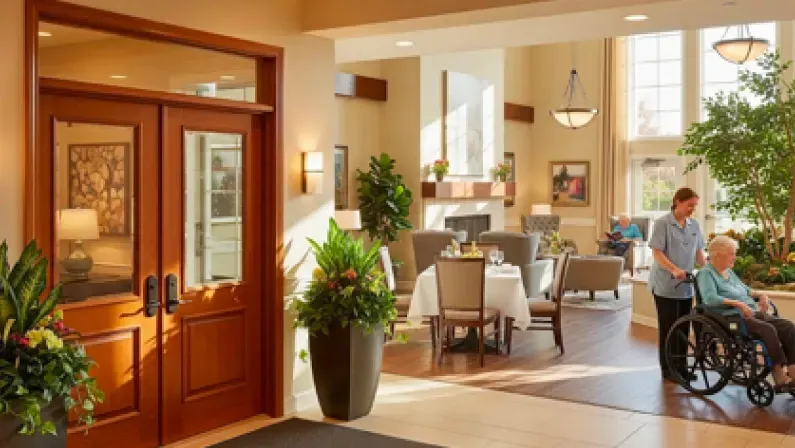
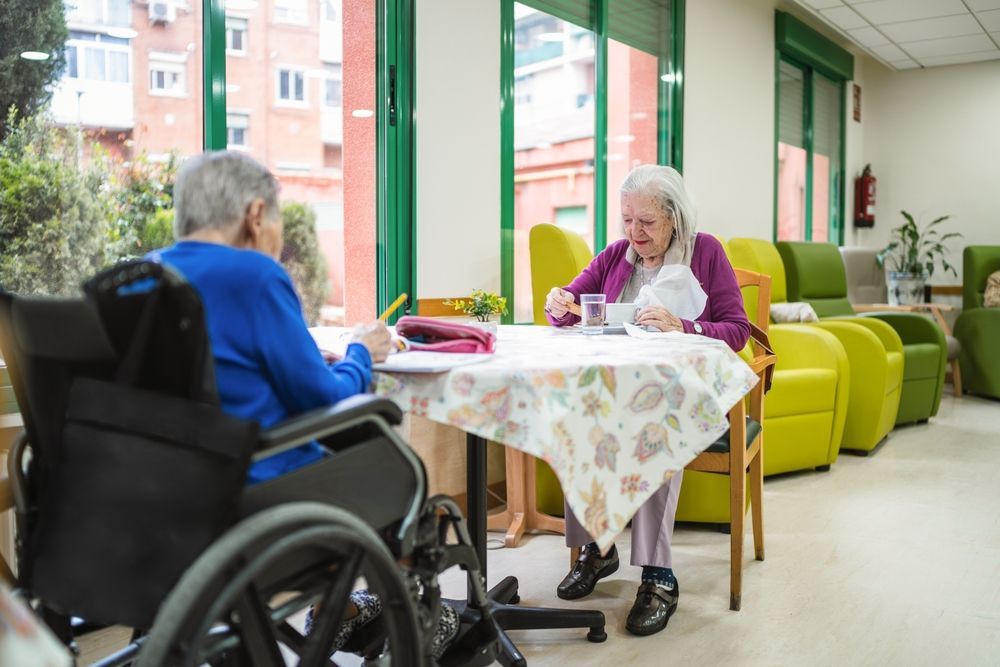
Group of seniors in a well-lit living room, some seated, one in a wheelchair, socializing and eating.

Key Factors to Consider When Choosing an Assisted Living Home

Selecting the right assisted living facility requires more than just a quick visit. Families must carefully consider the quality of care, comfort, and long-term suitability. Here are the key elements to guide your search when choosing senior living home options.


1. Personalized and Quality Care

Look for communities that prioritize individualized care plans. Each resident should receive attention based on their specific needs, preferences, and medical conditions. A dedicated staff-to-resident ratio is a strong indicator of the community’s commitment to personalized care.


2. Comfort, Luxury, and Amenities

The environment should feel welcoming and homelike. From private suites and outdoor gardens to wellness centers and entertainment rooms, top-tier facilities invest in comfort and design. When touring, pay attention to cleanliness, décor, and how residents interact with staff—it reveals a lot about daily life at the facility.


3. Short-Term and Respite Care Options

If your loved one needs temporary support, short-term or respite care options can provide relief for families and caregivers. These stays allow seniors to receive professional care for a few weeks or months, offering families peace of mind during travel or recovery periods.


4. Cost, Licensing, and Location

Cost is often a deciding factor, but it’s crucial to balance affordability with quality. Review the facility’s licensing and compliance records with Florida’s Agency for Health Care Administration to ensure it meets all state requirements. Location also matters. Choose a community close enough for family visits and medical services, yet in an area that promotes relaxation and accessibility.


Two women at table in a sunny room, one in wheelchair, writing and interacting with each other.

Questions to Ask During a Facility Tour

Before making a final decision, prepare an assisted living checklist and bring it with you during tours. Asking the right questions helps you evaluate each community objectively.


Here are key questions to include:


  • What medical and personal care services are available on-site?
  • How are emergencies handled?
  • Are meals customizable for dietary needs?
  • What is the staff-to-resident ratio?
  • How often are care plans reviewed or updated?
  • Are there additional fees for specific services?
  • What recreational and wellness programs are offered?
  • How does the facility encourage social engagement among residents?

How to Involve Your Loved One in the Decision

Involving your loved one throughout the process ensures they feel respected and included. Here are a few steps to help:

Discuss Their Preferences Early

Have open conversations about lifestyle, location, and care needs. Understanding what matters most to them creates a shared vision.


Schedule Visits Together

Touring facilities with your loved one allows them to visualize their new home and interact with staff and residents.


Encourage Questions and Feedback

Ask them how they feel about each community. Their comfort level is often the best indicator of the right fit.


Allow Time for Adjustment

Transitioning to assisted living takes time. Stay supportive and visit often during the first few months to help ease the change.


Best Assisted Living Homes in Florida

Florida is home to many exceptional senior care communities that combine professional support with resort-style living. Some of the best assisted living facilities in Florida feature spacious accommodations, waterfront views, and personalized programs that promote independence and well-being.


Many communities focus on wellness programs, culinary excellence, and social engagement, creating a vibrant lifestyle for residents. One standout example is
New Moon Senior Living, known for its compassionate staff, modern amenities, and focus on holistic care. This community provides a variety of Florida senior care options, including respite services ensuring that every resident receives the right level of support.


Empowering Families to Make the Right Choice

Choosing the right assisted living home is more than a practical decision; it’s about ensuring your loved one’s happiness, safety, and dignity. With the right research, family discussions, and a detailed assisted living checklist, you can confidently select a community that meets your loved one’s physical, emotional, and social needs.

Your loved one deserves a supportive environment where every day feels enriching, and Florida’s assisted living homes make that goal beautifully achievable. For families seeking trusted guidance and compassionate care, New Moon Senior Living is a leading choice, offering the perfect balance of luxury, professionalism, and warmth.

Contact us today!


Recent Posts

By Vivette Montas February 27, 2026
Choosing assisted living is one of the most personal decisions an aging woman and her family can make. It touches daily routines, health, independence, and emotional well-being all at once. While location, amenities, and pricing all matter, trust often becomes the deciding factor that influences how everything else feels once the move is made. Trust shapes how comfortable residents feel asking for help, how confidently families stay involved, and how secure everyone feels about care decisions over time. Without it, even well-designed communities can feel uncertain. With it, assisted living becomes a place of stability, dignity, and genuine support. Why Trust Matters in Assisted Living Trust serves as the foundation for every interaction inside an assisted living community. It affects emotional comfort just as much as physical safety. Safety, Dignity, and Quality of Life For aging women, feeling safe means more than having locked doors or emergency systems. It includes knowing that staff will respond attentively, respect personal boundaries, and preserve dignity in moments of vulnerability. Trust allows residents to relax into their environment, knowing support exists without feeling intrusive. Trust From Both Residents and Families Families place enormous responsibility in assisted living communities. Trust allows loved ones to stay involved without feeling anxious or constantly on guard. When residents and families share confidence in care, communication feels collaborative instead of strained. Long-Term Confidence in Care Decisions Assisted living often represents a long-term commitment. Trust reassures families that care will remain consistent, adaptable, and aligned with evolving needs, not just during the first few months. Transparent Communication and Honest Practices Clear, open communication signals integrity and reliability. Clear Policies, Pricing, and Care Plans Trust strengthens when expectations are clearly defined. Transparent pricing structures, written care plans, and well-explained policies help families understand what services include and how care adapts over time. Clarity reduces stress and prevents misunderstandings later. Open Communication With Families Ongoing communication builds reassurance. Regular updates, accessible staff, and timely responses help families feel connected and informed, even when they cannot be present every day. Willingness to Answer Questions Without Pressure Communities that encourage thoughtful questions create space for confident decisions. Trust grows when families feel respected, not rushed or persuaded through sales-driven conversations.
Woman in a kitchen holding a paper bag of groceries, smiling.
By Lead Origin February 23, 2026
Learn why nutrition for aging women plays a key role in health, strength, and independence, and how the right support makes healthy aging easier.
By Vivette Montas February 18, 2026
Families often turn to respite care during transitions, recovery, or caregiver fatigue. It provides essential relief while ensuring that seniors continue to receive safe and supportive care. One of the most common questions families ask is how long does respite care last and what factors determine the length of stay Understanding the length of stay for respite care helps families plan confidently, manage expectations, and choose the right temporary senior care options. From a few days of short-term respite care for seniors to extended stays in assisted living settings, respite care can be flexible when aligned with the right provider and care needs. What Is Respite Care? Respite care is a form of short-term senior care designed to give primary caregivers a temporary break while their loved one receives professional support. It can take place in a senior’s home, an adult day care center, an assisted living community, or a skilled nursing facility. These arrangements offer supervision, personal care, meals, medication management, and social engagement, depending on the setting. As part of broader temporary senior care options, respite care is often used after hospital discharge, during caregiver travel, or when families need time to reassess long-term care plans. How Long Can Seniors Stay in Respite Care? There is no universal answer to how long seniors can stay in respite care. The respite care duration varies based on the type of care selected, the senior’s health needs, and provider policies. Some programs are designed strictly for brief stays, while others allow extended timeframes. Typical Respite Care Duration Most respite stays range from a few days to two weeks. This timeframe works well for caregiver vacations, recovery from illness, or short-term coverage gaps. In many communities, short-term respite care for seniors typically lasts 7 to 30 days. Maximum Length of Stay by Care Type In-home respite care: In-home care is highly flexible. Services can last anywhere from a single afternoon to several weeks, depending on caregiver arrangements and budget. Adult day care respite: Adult day programs typically operate on a daily basis. Seniors attend for several hours per day, multiple days per week. There is usually no strict maximum stay in respite care for this setting as long as eligibility requirements are met. Assisted living or skilled nursing respite stays: Assisted living respite care often allows stays of 2 weeks to 90 days. Skilled nursing facilities may set limits based on licensing, insurance, or bed availability. These limits often define the maximum stay in respite care within facility-based programs. Short-Term vs Extended Respite Care Short-term senior care focuses on immediate, temporary needs. Extended respite care may last several weeks or months and is often used when caregivers face prolonged burnout or when families are evaluating permanent care solutions. Extended stays typically require advance planning and clear communication with the provider.
Woman helping another with a crossword puzzle at a table indoors.
By Vivette Montas February 10, 2026
Learn effective strategies for talking to aging parents about assisted living. Explore signs, tips, and senior care guidance to make the transition smoother.
By Lead Origin February 10, 2026
Respite Care vs In-Home Care: Key Differences Both services provide valuable short-term senior care, but they differ in delivery and experience. Care Setting Respite care may occur in facilities or at home, while in-home care always takes place in the senior’s residence. Level of Personalization Respite care often follows standardized routines, especially in facilities. In-home care offers customized care plans tailored to personal habits and preferences. Length of Care Both options support care lasting hours, days, or weeks, but in-home care typically offers greater scheduling flexibility. Cost Comparison for Short-Term Care Pricing varies by region, care level, and duration. Facility-based respite care may include bundled services, while in-home care costs depend on hourly rates and specific services provided. Emotional Comfort & Familiarity Remaining at home often reduces stress for seniors, whereas temporary relocation may feel disruptive for some. Which Is Better for Short-Term Care Needs? The right choice depends on the senior’s condition and the caregiver’s goals. Factors such as the level of supervision required, the senior’s comfort with change, and the desired level of flexibility all play a role in determining the most appropriate option. Best Option for Caregiver Relief Respite care services are often ideal for caregivers needing a complete break, especially when facility-based stays are available. Best Option for Recovery & Medical Transitions Short-term in-home care supports smoother recovery by allowing seniors to heal in a familiar environment with focused attention. Pros and Cons of Respite Care Respite care can be an effective solution, but it may not fit every situation. Understanding both the benefits and limitations helps families decide if this option aligns with their short-term care needs and expectations. Advantages of Respite Care Provides structured caregiver relief services Offers social interaction in group settings Supports emergencies and planned breaks Disadvantages of Respite Care May involve unfamiliar environments Limited personalization in some settings Availability may be restricted during peak times
Elderly women playing cards and socializing in a cafe. They are laughing and smiling.
By Lead Origin January 28, 2026
Discover the importance of socialization for seniors and how staying connected supports mental health, physical well-being, and a higher quality of life.
Caregiver kneels to hold the hands of an elderly person, both smiling, in a bright sunroom with plants and other residents.
By Lead Origin January 20, 2026
Preparing for a respite stay made simple. Learn what to pack, which questions to ask, and how to help women feel comfortable, safe, and supported.
seniors playing board game
By Lead Origin January 14, 2026
Discover how senior care for women addresses health, emotional, and lifestyle needs through safe environments and women-focused senior care solutions.
Senior women socialize and exercise indoors and outdoors: yoga, gardening, chess, chatting.
By Lead Origin January 12, 2026
Explore wellness-centered senior living and how holistic senior living communities support health, independence, and emotional well-being for today’s seniors.
Discover how a residential care home in Eustis provides personalized, home-like senior care, daily s
By Lead Origin January 6, 2026
Discover how a residential care home in Eustis provides personalized, home-like senior care, daily support, and a strong community for aging adults.
Show More